
[A]In many small villages, homes do not have electricity from power lines. At night, families often burn kerosene lamps to see in the dark. However, kerosene smoke is harmful to breathe, and the fuel costs money every week.
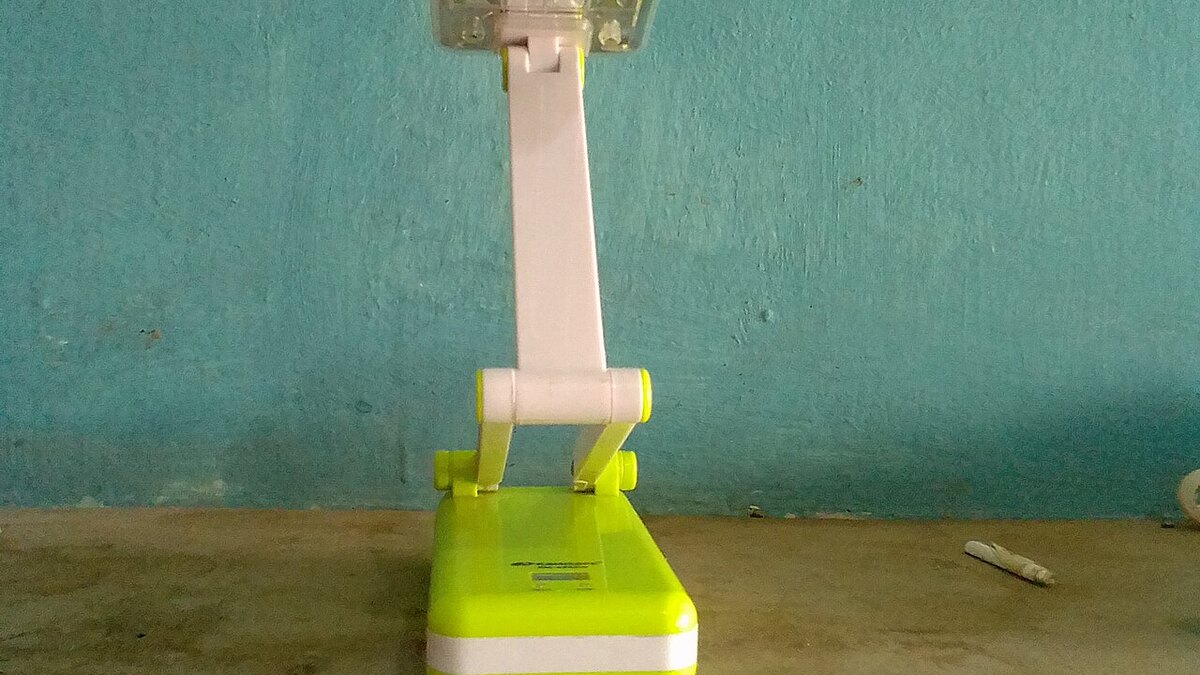
[B]Today, engineers build simple solar lamps to solve this problem. A solar lamp has three main parts: a small panel, a rechargeable battery, and a bright LED bulb. During the day, people place the panel on the roof under direct sunlight. The panel absorbs energy from the sun and stores it inside the battery.
[C]When evening arrives, students switch on the lamp to read their schoolbooks. Unlike old fuel lamps, solar lamps do not produce smoke or cause house fires. Because sunlight is free and abundant, families save money and children can study safely for two or three extra hours every night.
[D]Local technicians also teach villagers how to clean dust and dry leaves off the glass panel every week with a soft cloth. When the glass stays clean, the battery charges much faster under the morning sun and lasts for five years without needing replacement parts.